The US has a great many rescues and shelters–many run completely by volunteers–that do amazing work for and with the domesticated animals in our midst. We have several here in the Northern KY/Greater Cincinnati area. I’ve worked with a few in a variety of capacities–photographer, fundraiser, Healing Touch for Animals provider. I’ve never run a shelter, because life had other plans, but I’ve followed all different kinds and I’ve researched many of the problems shelters or rescues face.
Despite the hard work these folks do, it is not enough. That’s not even mostly the shelter managers’ fault. There are many factors that make adoption difficult, for example. Landlords with “no pet” policies prevent people who would be excellent companions for a dog or cat from the opportunity. Breed specific legislation–which unfairly bans dogs based on their appearance and a misunderstood history–automatically refuses citizens the chance to adopt those labeled “dangerous.” Both legal and illegal breeding saturate an already overly abundant population. Rescues don’t have enough volunteers, space, or funds to take care of animals who need them. Dogs and cats deemed “unadoptable” or “unpredictable” by trainers are killed; alternative methods of treatment and care are either not considered or abruptly disregarded; and the mindset and structure of many organizations is stuck in old ways of doing things.
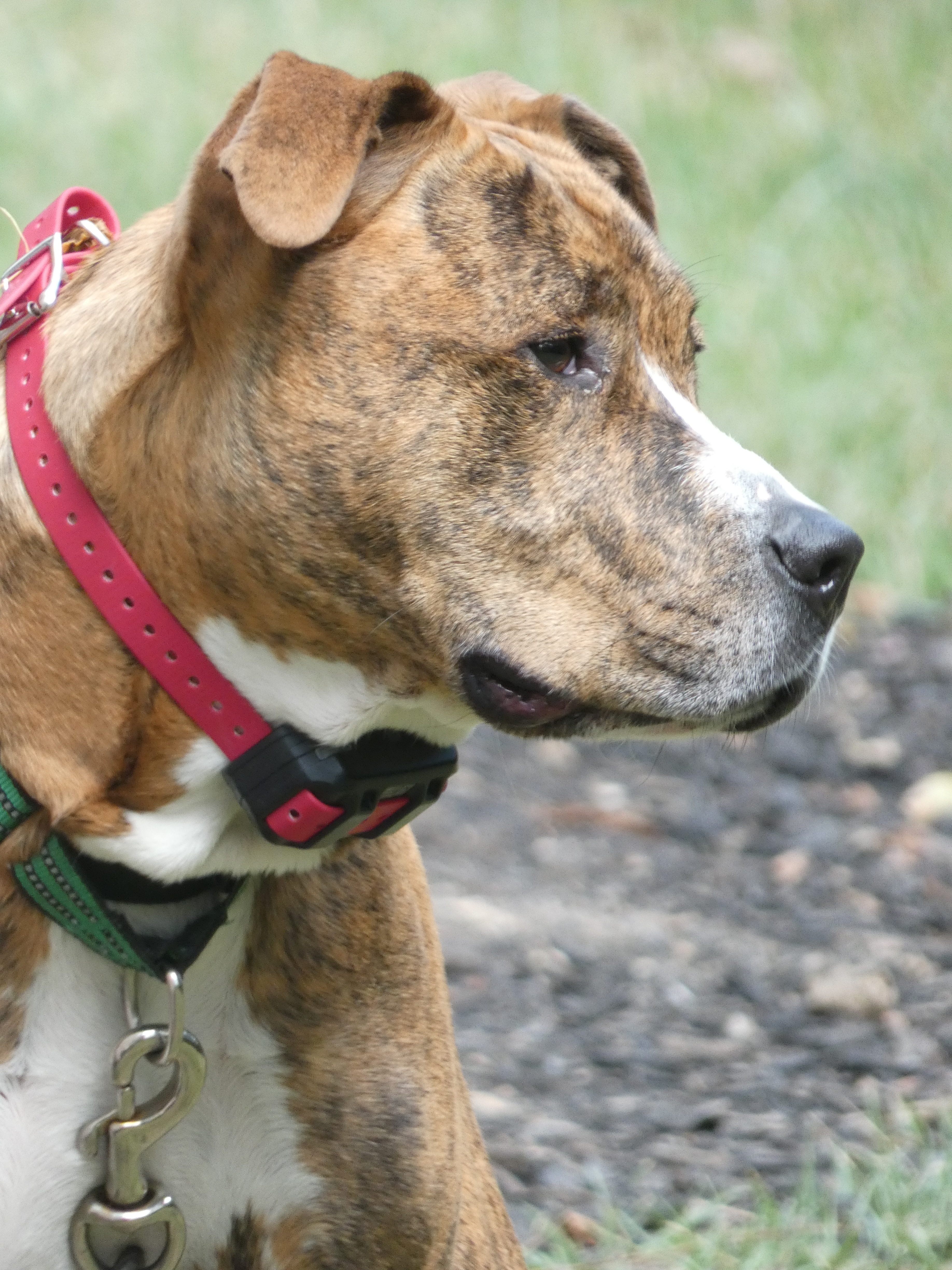
I’ve been involved in or witnessed a number of situations where folks expressing anger or upset over the scheduled euthanasia of an animal are told to “stop being so emotional” and “reactive.” And yet, in all but one of those cases, the animal was saved–going on to live happily in a forever home–precisely BECAUSE so many people reacted in what some call an “emotional” way. The one that did not was a victim of behind-the-scenes decisions and his situation was not brought to the public to brainstorm. When I found out the rescue I was working with handled the some of the difficult cases (scrubbing their website and social media of all evidence of the animal), I withdrew all monetary and volunteer support from them. Although the majority of their volunteers are wonderful, hard-working, and caring people, I just could not support an organization that didn’t try absolutely everything to save a life.
The president of that rescue once told me that the organization must be run like a business, with all emotion removed from decision-making. That rescue euthanizes animals they don’t know what to do with, is very reluctant to incorporate alternative treatments or give those practitioners a place at the table, and is now run by a board that has no interest in outside ideas or suggestions. I 1000% disagree with that former president. I would argue that without emotion, we lose an integral part of ourselves and our perspective is incomplete. It is, instead, when people are moved and outraged by the inhumane treatment of animals that change occurs and lives are saved.
Do I have all the answers? Of course not. Nobody does. But we will not save those cases we deem especially difficult until we explore ALL avenues for assessment, training, behavioral change, trauma relief, overpopulation, public education, and the law. And we are not doing that now at a level that will make the difference we need to be making.
So…get emotional. Be angry. Express your rage. Recognize the heartbreak you feel when you see a photo of a dog on its way to be killed. And take those feelings and direct them toward one aspect of this moral and ethical dilemma we have created. Pay for training, foster or adopt a dog or cat in need, work adoption events, send supplies, take the photographs that show them in their best light, write the letters to your representatives, donate to organizations formed to help animals in need, provide energy work or massage or simply your presence, help clean cages and socialize those housed in shelters, teach your family and friends and neighbors to dispel the myths, and above all, support the rescues and shelters that are working to save lives.
What can YOU do right now to make a difference?
 The Grey Zone